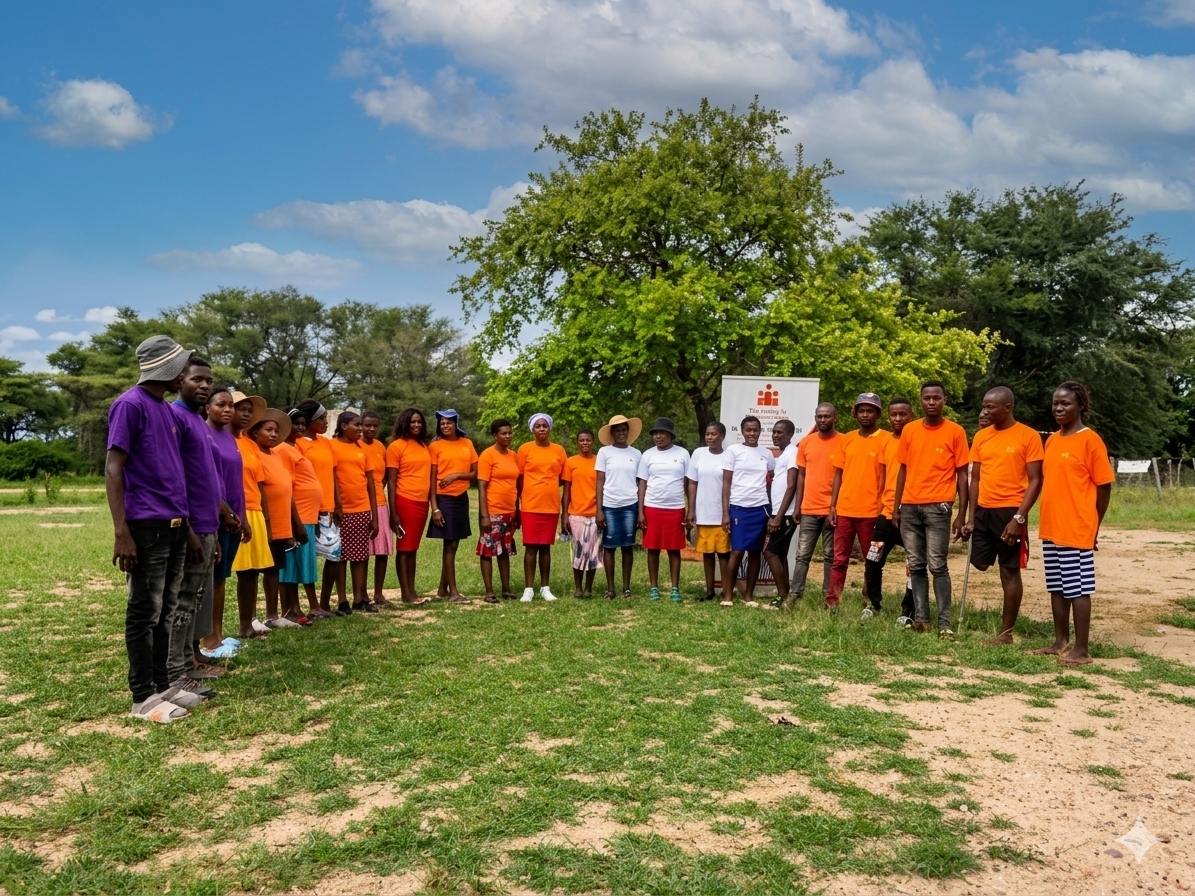
The Ability in Disability Association (TADA) is a youth-led, community-based, non-profit and non-political organization in Zimbabwe dedicated to advancing the rights, dignity, and inclusion of persons with disabilities. Founded in 2016, TADA is led by persons with disabilities and works at the grassroots level to promote inclusion, accountability, and the protection of disability rights in line with the United Nations Convention on the Rights of Persons with Disabilities (UNCRPD).
Registered as a Private Voluntary Organization (PVO No. 20/26) under the Ministry of Public Service, Labour and Social Welfare, and as a Youth Association (Registration No.
DA0015/10/16), TADA focuses on empowering underprivileged and isolated communities across Zimbabwe.
Our work advances socio-economic inclusion by creating sustainable livelihood opportunities, particularly for young persons with disabilities, with a strong focus on supporting girls and women through skills training and targeted livelihood support. Also, we promote access to quality, inclusive education for children and youth with disabilities, address gender-based violence, and strengthen access to sexual and reproductive health rights and services.
To advance the dignity, equality and self determination of children & youths with disabilities through advocacy for policy change and research
Creating enabling environment for all persons with disabilities to enjoy their human rights and promote inclusive systems and society
Improving quality of life for children & youth with disabilities.
TADA is governed by an Executive Committee comprising seven independent volunteers with diverse expertise. The committee includes office bearers such as the Chairperson, Vice Chairperson, Secretary, Vice Secretary, Treasurer, and two additional committee members. It provides strategic leadership, oversight, and accountability to ensure the organisation remains effective and aligned with its mission. Members of the Executive Committee are drawn from the communities we serve, including individuals with lived experience of the challenges we address. This ensures that our programmes are inclusive, relevant, and responsive to the needs of those we support
H. Madzonga
F. Chijiri
M. Zezai
T. Zimbudzana
C. Bandire
C. Bandire
M. Katuva
M. Madzima
– Inclusion and Equity; Dignity and Respect
– Gender Equality and Justice
– Empowerment and Participation
– Accountability and Transparency
– Community-Driven Solutions
– Access to Education and Information
– Sustainability and Impact
i. To promote access to comprehensive sexual reproductive health including HIV/AIDS for
persons with disabilities
ii. To promote sustainable livelihoods through skills training for youths with disabilities
iii. To provide educational support for children and youths with disabilities
iv. To address and prevent gender based violence against persons with disabilities
As an OPD and CBO, we are guided by the World Health Organization’s CommunityBased Inclusive Development (CBID) framework. This ensures that all our interventions are communitydriven, participatory, and sustainable, with impact rooted in local ownership.
Our programmes are built around the five core pillars of CBID:
i. Health & Rehabilitation – Expanding access to inclusive healthcare and Sexual & Reproductive Health and Rights (SRHR) services.
ii. Education – Promoting equitable and inclusive learning opportunities for children and youth with disabilities.
iii. Economic Empowerment – Strengthening livelihoods, entrepreneurship, and financial independence.
iv. Social Inclusion – Combating stigma and discrimination, while protecting against genderbased violence.
v. Research & Policy Influence – Generating evidence and advocating for disabilityinclusive policies and systems.

Our mission is to address the various health, education, employment, justice and climatic challenges faced by youths with disabilities in rural and urban communities in Zimbabwe