Our Services
Guided by the Community Based Inclusive Development (CBID) framework, we translate our objectives into practical, community driven programmes that make a tangible difference in the lives of persons with disabilities. Our Services are community based and are as follows;
– Comprehensive Health & SRHR Access –We promote access to inclusive sexual and reproductive health services, including HIV/AIDS prevention and care, through community outreach, peer support, and partnerships with health providers.
– Sustainable Livelihoods & Skills Training-We equip youth with disabilities with vocational skills, entrepreneurship opportunities, and starter projects that build financial independence and resilience.
– Educational Support & Inclusion – We promote inclusive education by providing assistive learning materials, supporting learner enrolment, and advocating for accessible, disability-friendly schools. We also train teachers and implement creative arts and literacy programmes to ensure that children and youth with disabilities have equitable access to quality education.
– Gender Based Violence Prevention & Protection-Prevention: We address root causes of gender-based violence by challenging harmful social and cultural norms, discriminatory practices, and non-inclusive policies through advocacy, community engagement, and awareness initiatives.
– Response: We support survivors through disability-inclusive safe spaces, referrals, access to justice, and comprehensive post-violence response services.
Impact stories
– Empowered 1,000 young people, including girls and young women with and without disabilities, with sexual and reproductive health (SRHR), HIV/AIDs and gender-based violence (GBV) information, and linked them to essential services.
- – Trained 167 young people, including girls and youth with disabilities, as peer educators and community advocates.
- – Supported 150 survivors of violence with post-violence services, including healthcare, psychosocial support, and access to justice.
- – Equipped Community Village Health Workers with disability inclusion skills to effectively respond to cases involving girls and women with disabilities.
- – Transformed harmful social norms by training 50 Traditional and Village Heads, who now champion gender equality, disability inclusion, and the prevention of GBV in their communities and promoting access to SRHR information/Services
- – Empowered 60 families of girls and women with disabilities with livelihood skills and agribusiness startup kits to improve household income, food security, and resilience.
- – Improved sanitation facilities at local schools which is improving children with disabilities access to education
Our Stories
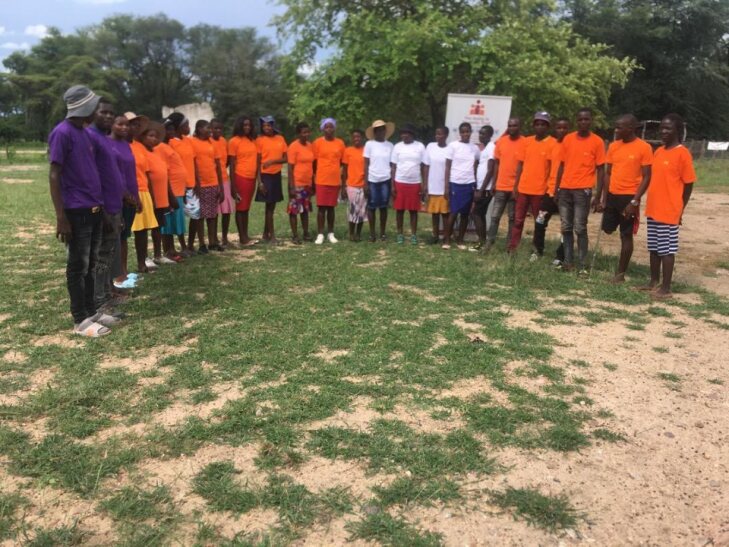
Empowerment & Leadership
We equip girls and youth with disabilities with knowledge, skills, and confidence to take
control of their lives.
Increased awareness of rights and access to SRHR information
Youth-led advocacy groups influencing change in their communities
Peer educators continuing to educate and support others
Impact: 263 Young people with disabilities reached and are becoming leaders,
advocates, and change-makers.
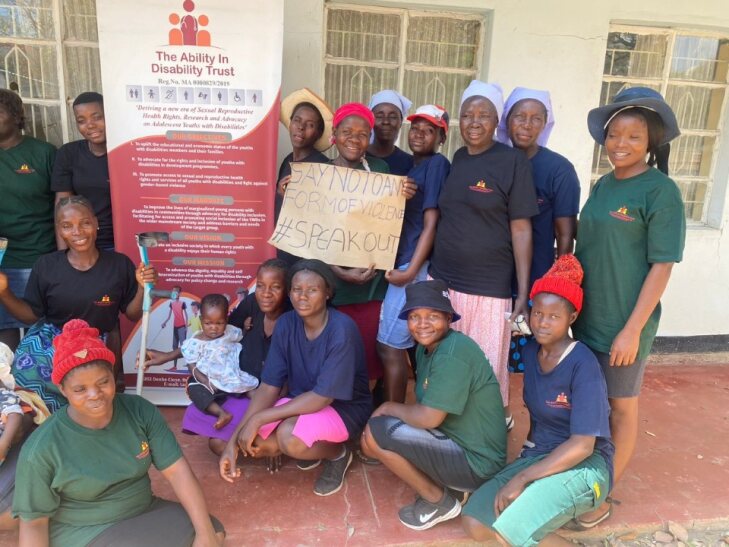
Access to Justice
We stand with survivors of gender-based violence and ensure they are not left behind.
We facilitate for legal, psychosocial, and referral support for survivors
We provide reporting of abuse and improve case handling
We strengthen community based protection systems. That is improving stronger
coordination between police, health, and legal systems
Impact: Survivors are accessing justice, and communities are becoming safer and more
accountable.
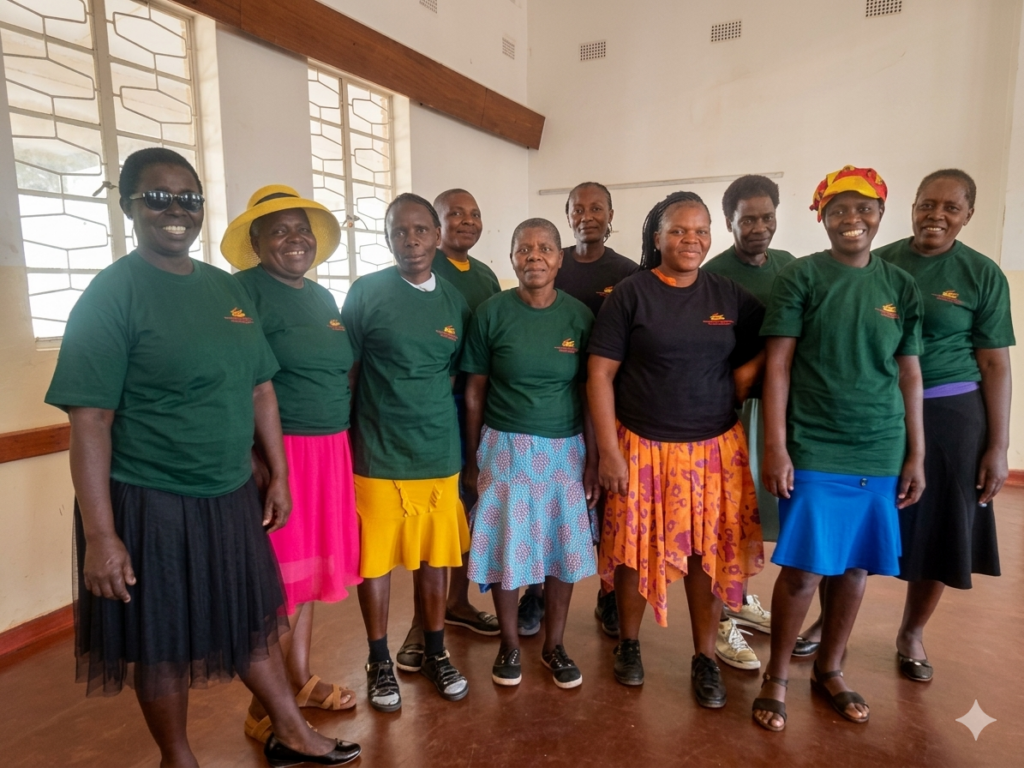
Access to Health & Essential Services
A local health facility transformed to provide disability-inclusive SRHR services
Through targeted capacity building, we trained the hospital’s Medical Superintendent
on disability-inclusive sexual and reproductive health and rights (SRHR).
As a result:
• The facility revised its Standard Operating Procedures to integrate disability
inclusion
• Health services are now more accessible, respectful, and responsive to persons
with disabilities
• There is increased confidence and uptake of services, including maternal care and family planning
The facility is now actively encouraging persons with disabilities to access safe, private,
and professional SRHR services, marking a significant step toward inclusive healthcare systems.
Also, Health facilities adopting disability-inclusive SRHR protocols
Increased use of services such as maternity care and HIV testing
Trained 21 village health workers supporting inclusive care
Impact: Girls and women with disabilities are accessing healthcare with dignity and confidence.
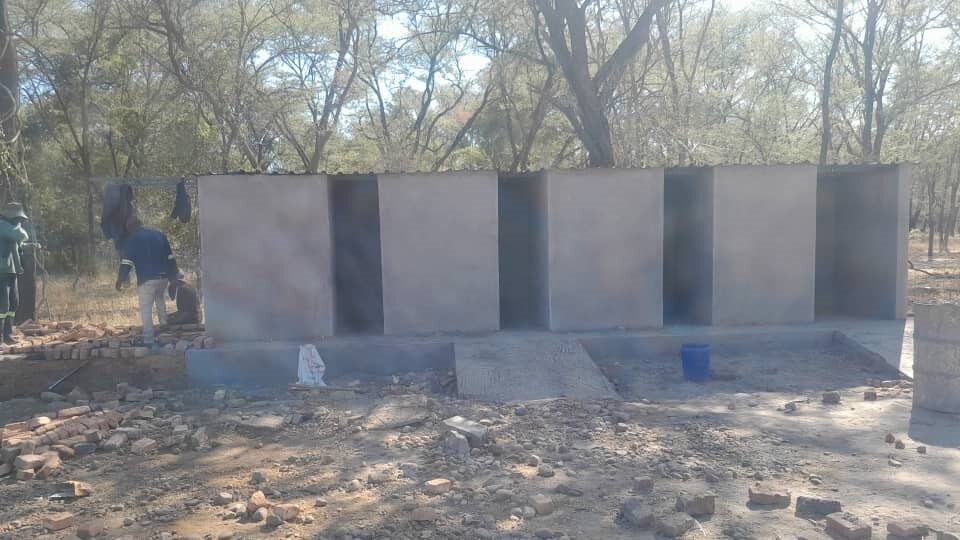
Inclusive Systems & Infrastructure
We influence policies and systems to ensure long-term inclusion. Schools building accessible toilets, ramps, and learning spaces Health institutions adopting inclusive service standards Local authorities integrating disability into planning and budgets Impact: Inclusion is becoming part of how institutions operate—not just an idea.
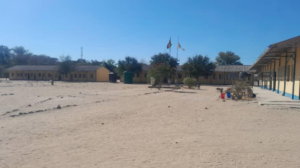
A local school with toilets adapted for improved accessibility by all learners with disabilities
Changing Attitudes & Social Norms
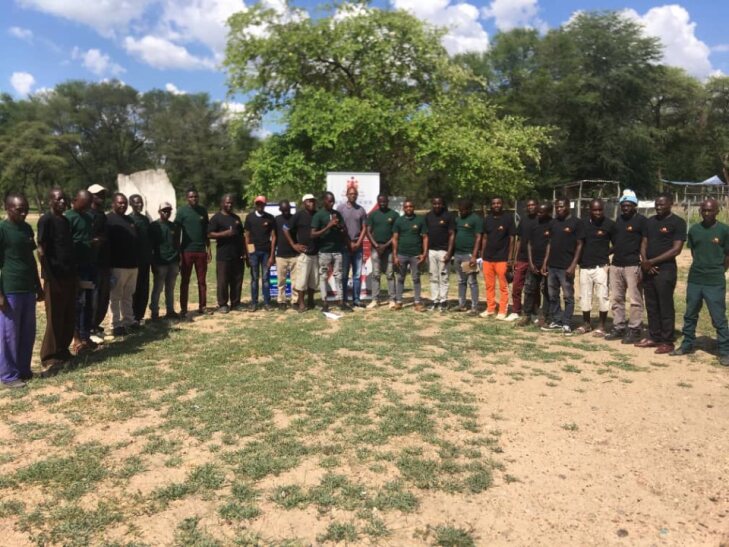
We challenge harmful beliefs and promote inclusive communities. Community by-laws protecting children with disabilities Engagement of traditional, religious, and community leaders Men and boys actively involved in preventing GBV Impact: Communities are shifting from exclusion to protection, respect, and inclusion.
Engaged Men who are now champions on girls rights and protecting GwDs from abuse
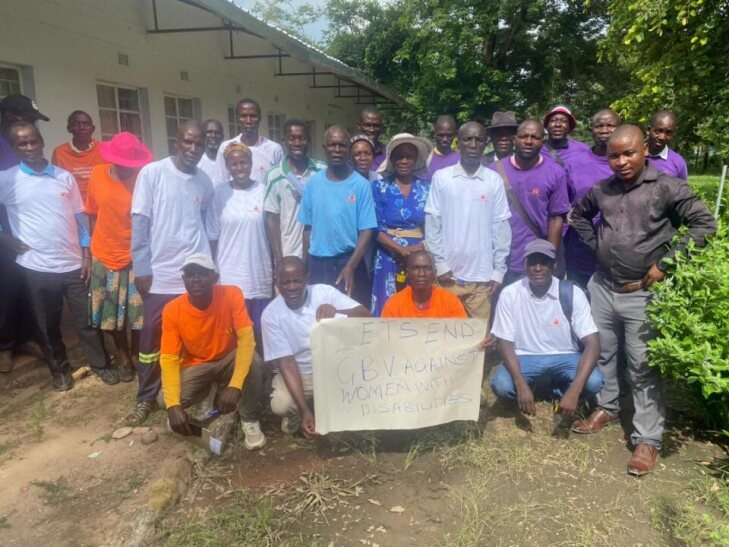
Community Leaders Against GBV
Village heads who are now champions of disability rights and promoting Girls with Disabilities access to SRHR and denouncing social norms and practices that is fuelling GBV in communities
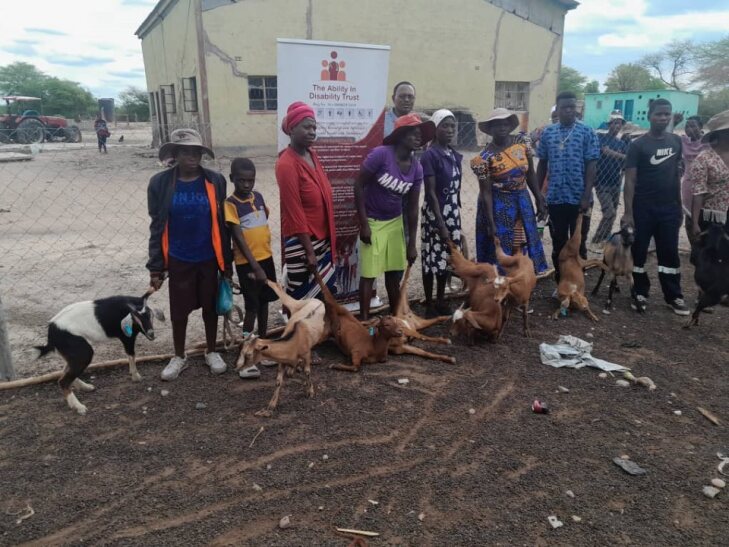
Economic Empowerment
We support women and youth with disabilities to achieve independence and financial
security. Business training and livelihood support
Increased control over economic resources
Reduced vulnerability to abuse Impact: Women with disabilities are gaining independence, confidence, and decision making power.
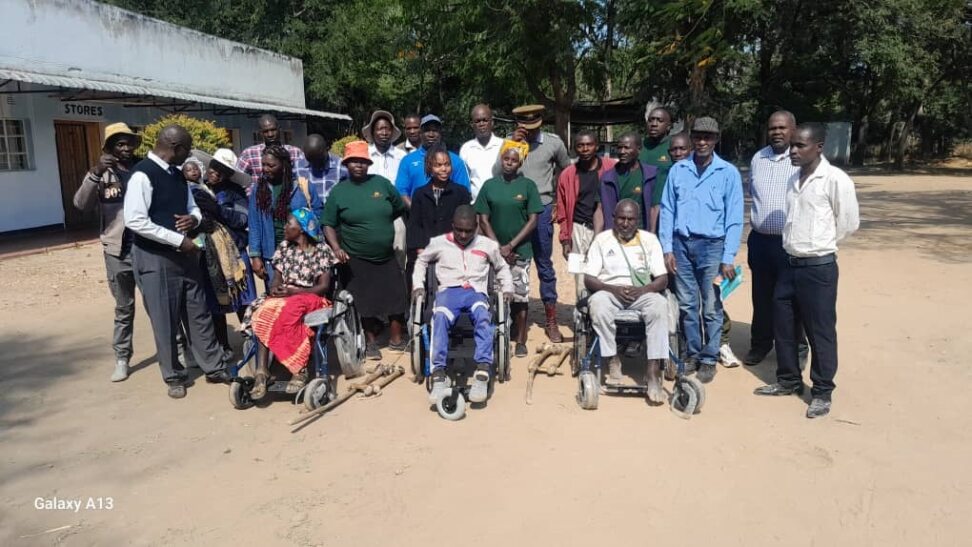
Systems Change That Lasts
Our work goes beyond individuals—we influence systems at community, district, and policy levels. Disability inclusion integrated into local government planning Strengthened referral systems for GBV survivors Partnerships driving coordinated and sustainable impact Result: More inclusive systems that continue to serve communities long after projects end.
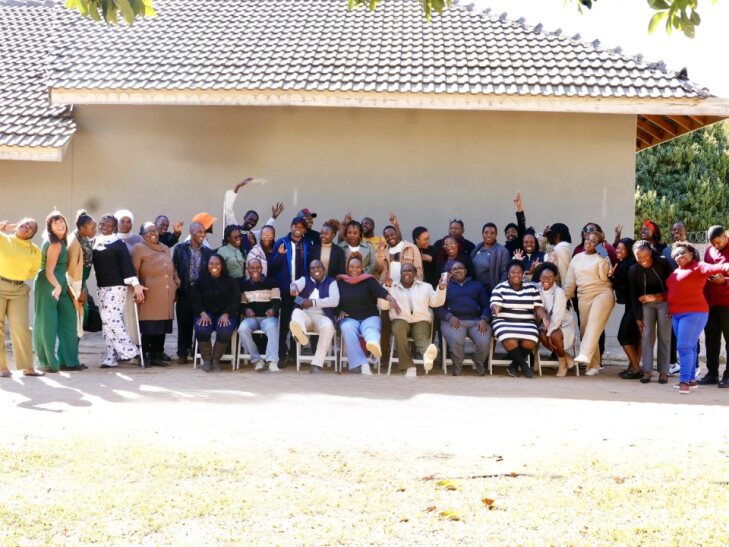
key stakeholders who are involved in the community anti-gbv
protection task force in the community working towards ending GBV against Girls with Disabilities and working to promote GWDs access to SRHR information.
Partnerships and Collaborations
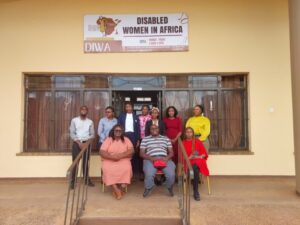
TAD strengthens its work through partnerships with local and regional partners. Picture above shows TAD staff during an exchange learning visit with one of its regional partners in Malawi ( DISABLED WOMEN IN AFRICA) . And a network of SRHR partners in Zimbabwe spread across the 10 provinces in Zimbabwe
Know me for my abilities, not my disabilities

Our mission is to address the various health, education, employment, justice and climatic challenges faced by youths with disabilities in rural and urban communities in Zimbabwe.
MENU
- 4202 Denhe Close Budiriro 2, Harare
- Tel: +263 04 205240
- Cell: +263 714 556 207
- inquiries@theabilityindisability.org
- tadselfhelpgroup@gmail.com