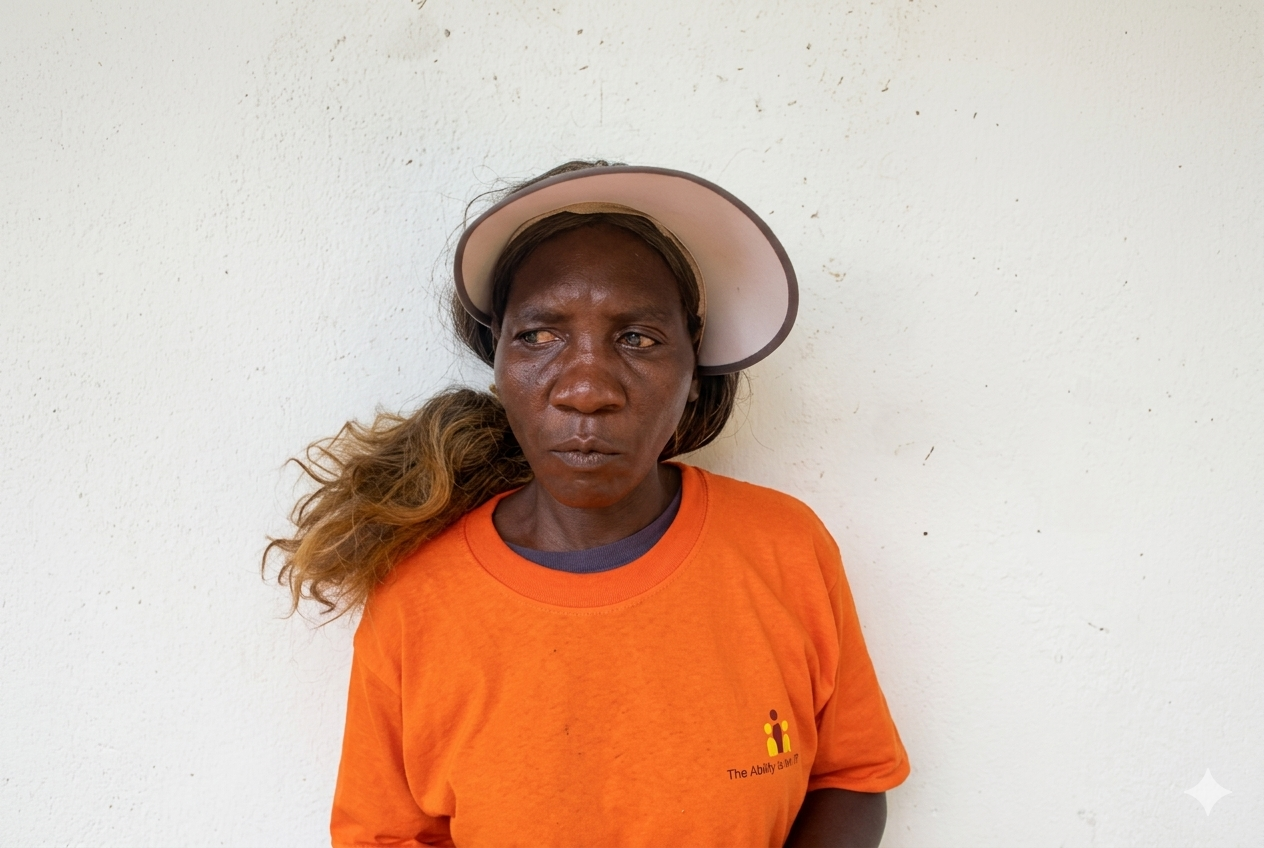
Mavelin, a village head and religious leader from Ward 3 in Gokwe, was once influenced by harmful religious and cultural beliefs that excluded girls and women with disabilities from protection and SRHR services. Through TADA’s GBV and SRHR programmes, her mindset shifted. She now promotes inclusion, encourages reporting of abuse, and supports access to SRHR services for women and girls with disabilities. She has also taken action by intervening in a domestic violence case involving a woman with a disability, helping to restore safety and dignity. Her story highlights how transforming harmful norms can lead to greater protection and inclusion.
A Village Head’s Transformation in Protecting Girls with Disabilities
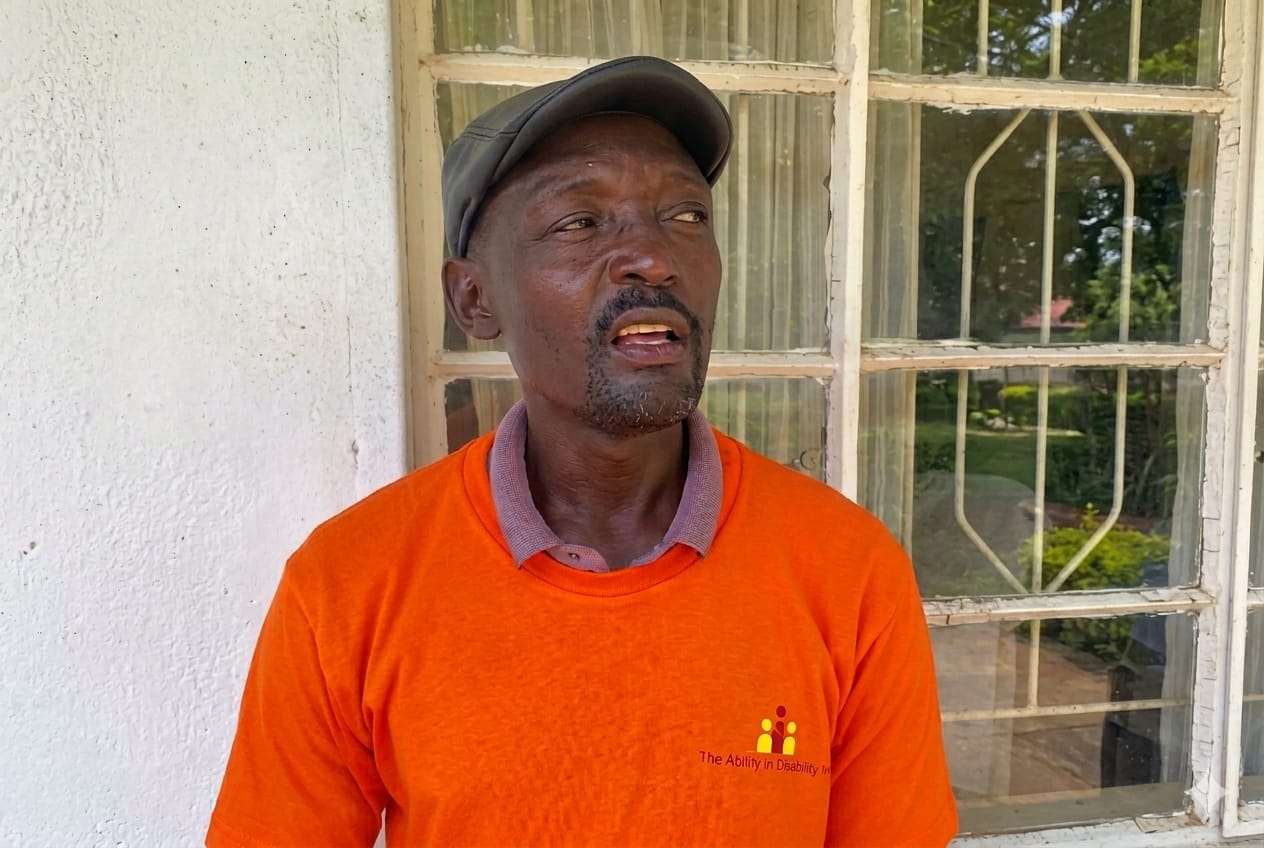
Mr Samuel (not his real name), a village head in Gokwe North, once viewed girls and youths with disabilities through a lens of charity rather than rights. Like many in his community, he was influenced by harmful cultural norms that excluded girls with disabilities from conversations around sexuality, protection, and decision-making.
Through TADA’s advocacy and awareness initiatives under the AmplifyChange-supported project, his perspective began to shift. He came to recognise that girls with disabilities face heightened risks of abuse and have equal rights to protection, dignity, and participation. Today, Mr Samuel is an active advocate for disability inclusion and the prevention of gender-based violence in his community. He challenges harmful beliefs, promotes accountability, and has taken concrete action to protect vulnerable girls, including reporting cases of abuse to the police.
Reflecting on his transformation, he shared:
“I now understand that youths with disabilities have rights, and it is our duty as leaders to protect them. I have taken action to protect a vulnerable girl in my village and even reported a perpetrator to the police. I am grateful for the knowledge I gained on disability and gender-based violence.”
His journey demonstrates how shifting attitudes and addressing harmful norms at the community level can lead to meaningful protection and inclusion for girls with disabilities.
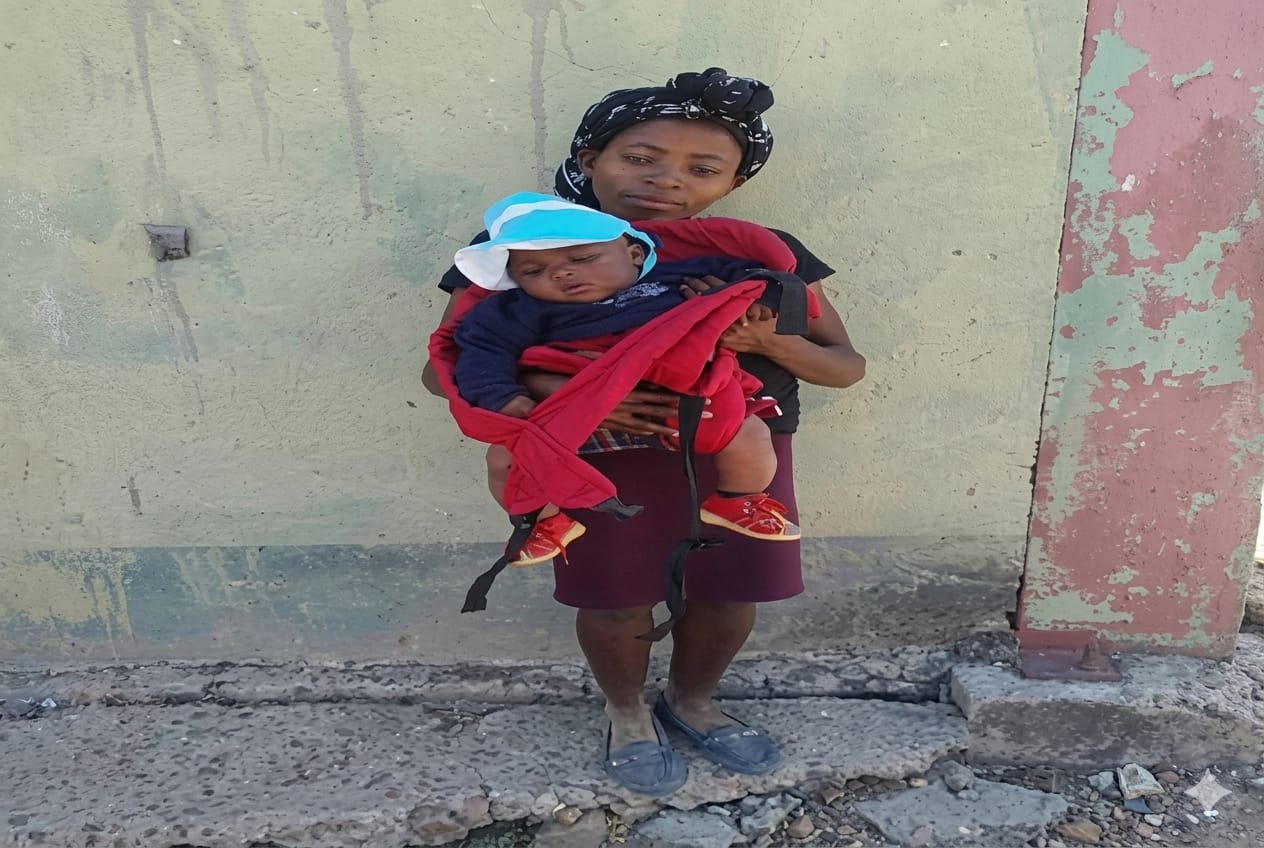
Stella Mapani, a 19-year-old young woman with a physical disability from Gokwe North, had never accessed sexual and reproductive health (SRH) services due to stigma and fear. After participating in TADA’s SRHR and GBV community programmes, she gained confidence, improved her self-esteem, and now understands her rights and has control over her body. Quotation, “After TADA’s SRHR and GBV empowerment, I registered for my prenatal services for the first time and delivered my baby at Chireya local health facility. I no longer feel ashamed or fear nurses,” she shares.
Her story is inspiring other girls with disabilities in her community to seek SRH services and claim their rights.

Our mission is to address the various health, education, employment, justice and climatic challenges faced by youths with disabilities in rural and urban communities in Zimbabwe.